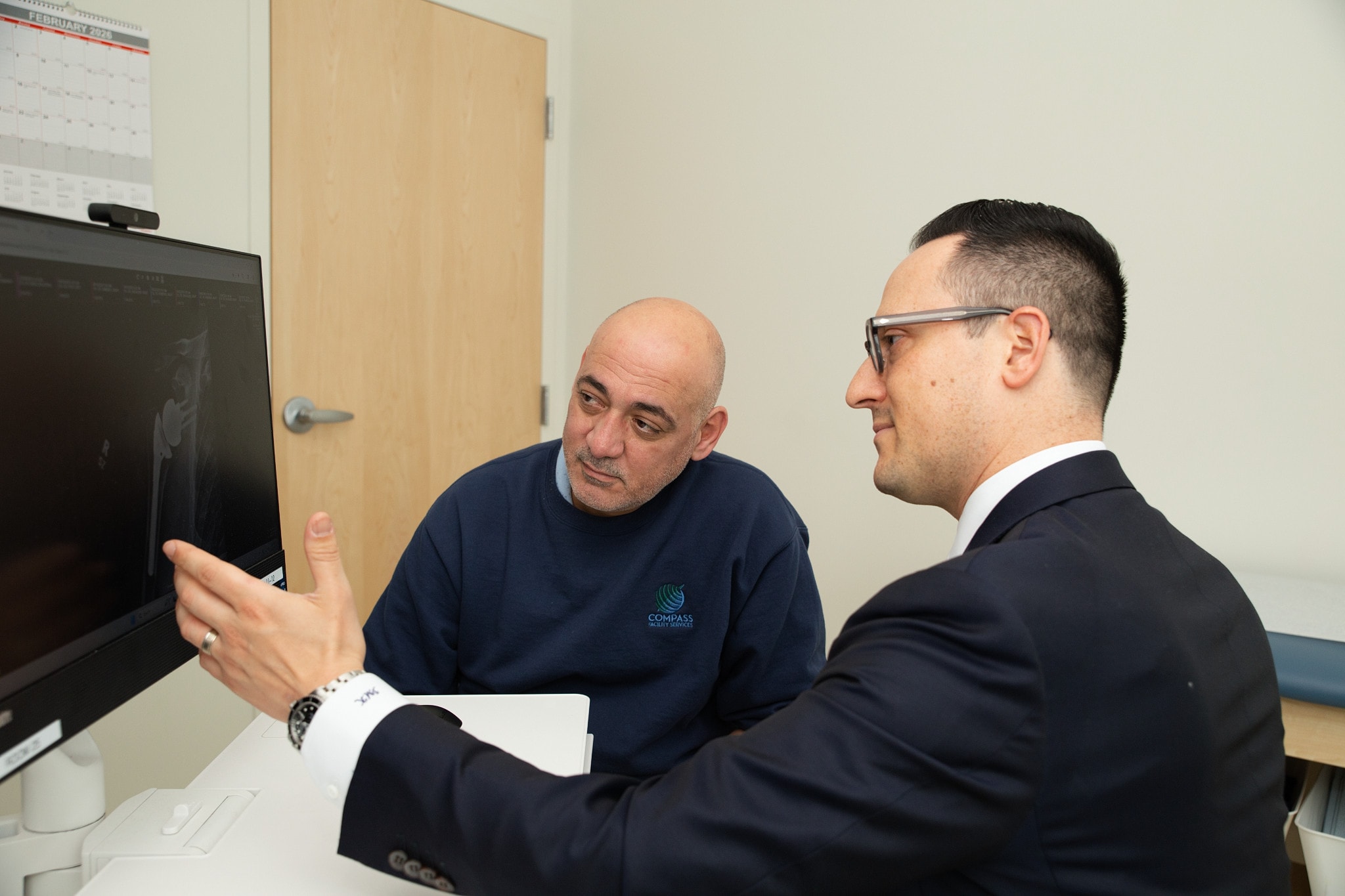
Shoulder Stabilization
Overview
Shoulder stabilization surgery is performed to restore stability to shoulders that have experienced recurrent dislocations or subluxations. The procedure repairs damaged structures—typically the labrum and joint capsule—that normally keep the shoulder stable, preventing the humeral head from slipping out of the socket.
The surgical approach depends on several factors including the extent of damage, presence of bone loss, patient activity level, and risk of recurrence. Dr. Kirsch is highly experienced in both arthroscopic and open stabilization procedures, including complex cases with bone loss.
Surgical Options
Arthroscopic Bankart Repair
Commonly performed for anterior instability caused by a torn labrum and capsular laxity, particularly in patients without significant bone loss. This minimally invasive approach allows for:
- • Small incisions (poke-hole size)
- • Reattachment of the torn labrum using suture anchors
- • Tightening of the joint capsule
- • Addressing any concomitant injuries
- • Faster recovery compared to open procedures
Open Latarjet Surgery
Preferred in cases with substantial glenoid bone loss, engaging Hill-Sachs lesions, or failed previous repairs. This procedure involves:
- • Transferring the coracoid process to the anterior glenoid
- • Restoring stability through bony augmentation
- • Creating a dynamic sling effect from the conjoined tendon
- • Addressing significant bone deficiency
- • Lower recurrence rates in high-risk patients
Choosing the Right Procedure
The choice between arthroscopic Bankart repair and open Latarjet surgery depends on the extent of damage, patient activity level, amount of bone loss, and risk of recurrence. Dr. Kirsch will thoroughly evaluate your condition using physical examination and advanced imaging (CT scan) to determine which approach offers you the best outcome.
Recovery Timeline
Recovery from shoulder stabilization surgery requires careful protection of the repair while gradually restoring motion and strength.
Protection of the repair is critical during this phase.
- • Arm in sling for protection
- • Can move hand, wrist, and elbow immediately
- • No shoulder motion initially
- • Pain management with multimodal approach
- • Ice therapy to reduce swelling
Gradually begin range of motion exercises under the guidance of your physical therapist. Motion is progressed carefully to protect the repair while preventing stiffness. All exercises should be pain-free.
Strengthening begins and progressively increases. By 4-5 months, most patients can return to non-contact activities. Sport-specific training begins during this phase for athletes.
Return to full contact sports and activities typically occurs around 6 months for arthroscopic procedures and 6-9 months for open Latarjet procedures. Most patients achieve excellent stability and can return to their desired activity level.
What to Expect
Pre-Surgery Preparation
Apply Hibiclens in the shower for 3 days before surgery to decrease infection risk. Stop NSAIDs and certain medications one week prior to surgery as directed. Arrange for someone to drive you home and assist you for the first few days.
Pain Management
We utilize a multimodal approach including nerve blocks (18-20 hours of relief), oral medications, and ice therapy to minimize postoperative pain and narcotic use.
Success Rates
Shoulder stabilization surgery has excellent success rates when performed by an experienced surgeon. Most patients achieve stable shoulders and return to their desired activity levels, including contact sports. Recurrence rates are low, especially with the Latarjet procedure in high-risk patients.
Related Information
Learn more about shoulder instability, dislocations, and when surgery is recommended.
Shoulder InstabilityImportant information about medications, Hibiclens prep, and home preparation.
Pre-Surgery GuideDetailed guidelines for sling use, pain management, wound care, and activity restrictions.
Post-Op InstructionsUnderstanding the phases of recovery and importance of following the stabilization protocol.
PT ProtocolsQuestions About Shoulder Stabilization?
Schedule a consultation with Dr. Kirsch to discuss whether this procedure is right for you
Contact Us