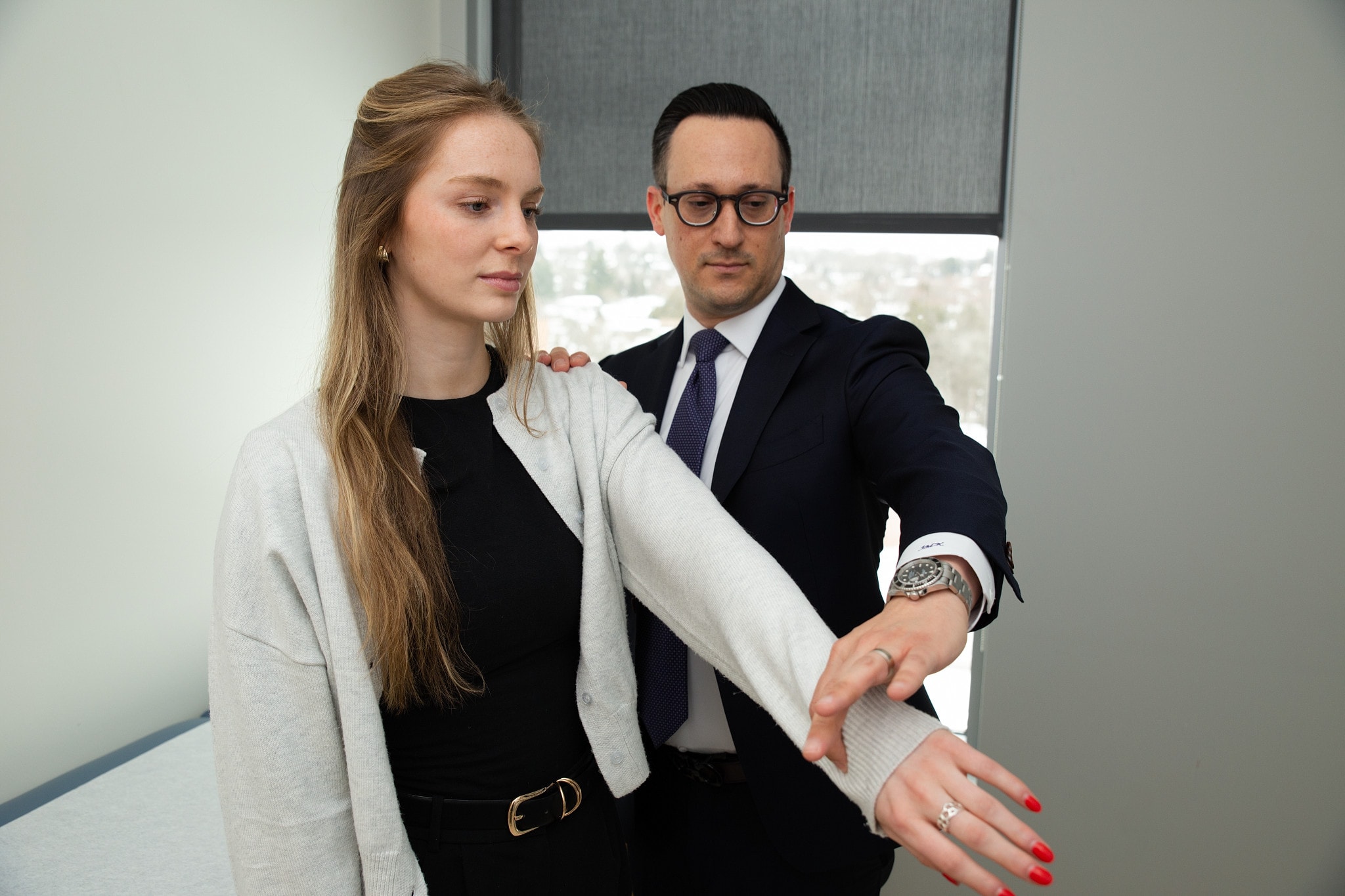
Physical Therapy Protocols
Physical therapy is a critical component of recovery after shoulder surgery. Understanding the phases of rehabilitation and what to expect during each stage will help you achieve the best possible outcome.
Recovery from shoulder surgery is a slow and gradual process. Proper pain management and adherence to physical therapy protocols are essential for optimal recovery. A combination of cryotherapy (icing) and oral medications will help keep you comfortable as your shoulder heals.
The goals early on are to reduce pain and inflammation while protecting the surgical repair. Physical therapy helps restore motion, build strength, and return you to your normal activities safely and effectively.
The timing of when physical therapy begins varies depending on the type and complexity of your shoulder procedure:
- • Rotator Cuff Repairs: Typically starts between 4-6 weeks following surgery, depending on the severity of the tear
- • Shoulder Replacements: Usually begins around 6 weeks after surgery
- • Less Complex Procedures: May start as early as 2 weeks post-surgery
Dr. Kirsch will provide specific instructions tailored to your procedure and individual needs.
Your physical therapist will work closely with you throughout your recovery journey. During sessions, you will learn:
- • Safe techniques for shoulder exercises and movements
- • How to perform passive, active-assisted, and active motion exercises
- • Proper form to protect your surgical repair while improving mobility
- • Home exercise programs you can do independently between sessions
- • Progressive strengthening exercises as your shoulder heals
Your therapist will instruct you on how to safely perform these exercises at home, so you can continue improving your motion and strength while protecting the repair.
Focus: Protection and pain control
- • Shoulder motion is restricted to protect the repair
- • You may come out of the sling to move hand, wrist, and elbow
- • At 6 weeks, repairs are only 20% healed - protection is critical
- • If motion begins, it will be exclusively passive (therapist-guided)
Focus: Improving motion
- • Emphasis on MOTION, not strength yet
- • Progress from passive → active-assisted → active motion
- • Basic activities with elbows at side allowed
- • Overhead activities still restricted
- • Strengthening delayed until 3 months
Focus: Strengthening begins
- • Most patients feel significantly better
- • PT focuses on strengthening the shoulder
- • Continue working on motion if needed
- • "Danger zone" - avoid overexertion
- • Listen to your body and back off if experiencing pain
Focus: Return to full activity
- • At 6 months: 70-80% recovered
- • Around 10 months: fully trust shoulder
- • Full recovery takes approximately 1 year
- • Transition to home exercise program (~6 months)
- • Return to recreational and competitive sports
Your physical therapist will teach you exercises that you can perform at home between formal therapy sessions. These home exercises are a critical part of your recovery and help you:
- • Maintain and improve range of motion
- • Build strength progressively
- • Accelerate your recovery timeline
- • Maintain long-term shoulder health
After discharge from formal physical therapy (typically around 6 months), it is critical to continue your home exercise program 3 times a week for the longitudinal health of your shoulder.
Returning to normal activities and sports should be done gradually and safely:
Timeline for Common Activities:
- • Light daily activities: 6-12 weeks (as tolerated)
- • Running: Approximately 6 months
- • Swimming: Approximately 6 months
- • Golf: Approximately 6 months
- • Contact sports: 9-12 months (with physician clearance)
- • High-demand occupational work: Variable, discuss with Dr. Kirsch
Important Guidelines:
- • Always listen to your body
- • If you experience pain or discomfort, back off from the aggravating activity
- • Do not push through pain - this can compromise your surgical repair
- • Gradual progression is key to long-term success
- • Obtain clearance from Dr. Kirsch before returning to high-demand activities
Most patients are extremely pleased with their outcome following shoulder surgery given the significant improvement in pain, strength, quality of life, and function. Success depends on:
- • Adhering to your physical therapy protocol
- • Following activity restrictions during healing phases
- • Continuing home exercises long-term
- • Maintaining open communication with Dr. Kirsch and your therapy team
- • Being patient with the recovery process - healing takes time
Remember: Shoulder rehabilitation is a long recovery, but following the protocol carefully will give you the best chance for an excellent outcome.
Questions About Physical Therapy?
Contact our office to discuss physical therapy options and expectations
Contact Us